


 The “runner’s high,” a “feel better” sensation often experienced by long-distance runners, is generally attributed to high levels of endorphins in the the brain. Researchers have known for some time that exercise increases endorphin production. In addition to improving the efficiency of the heart, lungs and vascular system, aerobic training can actually produce an anti-depressant type of effect including improvements in emotional and intellectual health.
Aerobic exercise improves mood stability often allowing those under a doctor’s care to reduce anti-depressant and anxiety medications. Improvements in self-esteem, increased confidence, and a more positive outlook for the future are also benefits of the effects of physical activity on brain chemistry.
Studies indicate that aerobic exercise improves mental acuity resulting in better concentration, enhanced ability to direct thoughts, and improved memory, all important mental performance activities for divers. Further neurophysicological advantages include a reduction in the symptoms of diseases such as Parkinson’s, improved sleep patterns, and diminishing the craving responses during smoking cessation.
Cardiorespiratory fitness is essential for scuba diving. Incorporating aerobic exercise in the diver’s daily routine is definitely not a “no-brainer” but it isn’t difficult to achieve. The results of the above-mentioned studies were accomplished in only five weeks with 30 to 60 minutes of exercise three times a week.
Examples of aerobic exercise are walking, jogging, running, swimming, rowing, cycling, jumping rope, aerobics classes, and dancing. Fitness centers and home gyms provide equipment such as treadmills, stairclimbers, ellipiticals and exercise bikes. Aerobic exercise may also be performed outdoors almost anywhere and can be a family activity, social time for moms while children are at school, or tranquil time alone.
 Recently I won a gift certificate for a month of fitness classes. As a fitness professional in high demand my schedule is usually booked. As a necessity my own workouts are typically self-trained sessions at unusually early and late hours. However, this time I had an opening in my schedule that matched an early morning fitness boot camp. It felt great to be coached through a workout for the first time in many years.
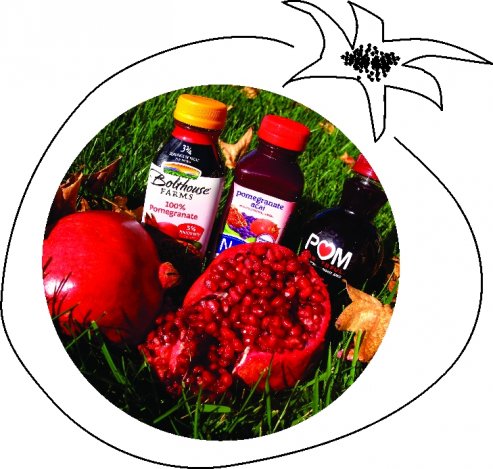 Last week a friend of mine who is recovering from a heart valve repair received a bottle of pomegranate juice as a get well gift. The pomegranate gift was perfect. Pomegranates contain polyphenols with powerful antioxidant properties. The touted health benefits of pomegranate juice are sometimes loosely and broadly stated, so I wanted to bring sound information and studies that are particularly interesting for divers.
 My friend’s surgery was two-weeks ago and he is already walking three miles a day and has returned to half days at work. The surgery was performed by