


 Blowing raspberries is very different than blowing bubbles while scuba diving but can still be a lot of fun. Most of us probably don’t remember the first time we blew a raspberry as part of discovering our mouth at the age of just four to five months old. We most often blow raspberries to make others laugh because of the sound and the tickling sensation. It is usually an intimate gesture as it involves using the lips and tongue on another person’s belly to make a “pbbbt” sound. Although it originated in cockney slang, blowing a raspberry is widely and cross-culturally understood and practiced.
Similar breathing techniques are practiced during childbirth, by woodwind and brass musicians, yoga enthusiasts, and to help relieve shortness of breath. It is sometimes referred to as circular breathing. It requires breathing in through the nose and controlling the breath that is stored in the cheeks as it passes through pursed lips. In fact, this technique is used when playing the Digeridoo which might come in handy for divers visiting Australia. Blowing raspberries is often used to warm up for vocal performances such as singing and public speaking.
During SCUBA activities when divers are mouth breathing, circular breathing by inhaling through the nose is not possible and blowing raspberries into a regulator isn’t necessary. However, on dry land the technique may be one more way divers can develop breath control for relaxation underwater and optimizing use of air while diving.
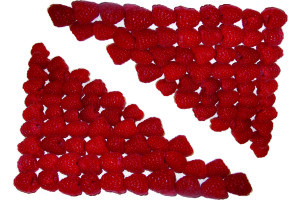
The term blowing raspberries also references a raspberry tart and a sound of derision. But there is nothing condescending about the raspberry. It is an excellent source of good nutrition. Although a leaner belly may diminish the sound of blowing raspberries, eating raspberries may help divers maintain a trim waistline. One cup of raspberries has only 65 calories, 5 grams of sugar, 15 grams of carbohydrates, 1.5 grams of protein, 0.8 grams of fat, 8 grams of fiber, 186 grams of potassium, calcium, magnesium, vitamin B6, Iron and Vitamin C. Nutritional properties of raspberries are also thought to help prevent cardiovascular diseases and inhibit the growth of cancer cells.
Divers can stay healthy and have fun eating and blowing raspberries.
 It is always a pleasure to present at dive shows and dive centers. I usually open my presentations with an invitation to divers to ask questions. This helps me get to know individual divers and provide meaningful information. To get the conversation started I often remind divers that we are all in this together. Diving is one of my personal motivations for maintaining and improving health and fitness.